ai songwriting in 2026: what's real, what's hype
the honest breakdown on ai songwriting in 2026. what it can actually do, where it falls short, and what happens when you stop treating it like a tool.
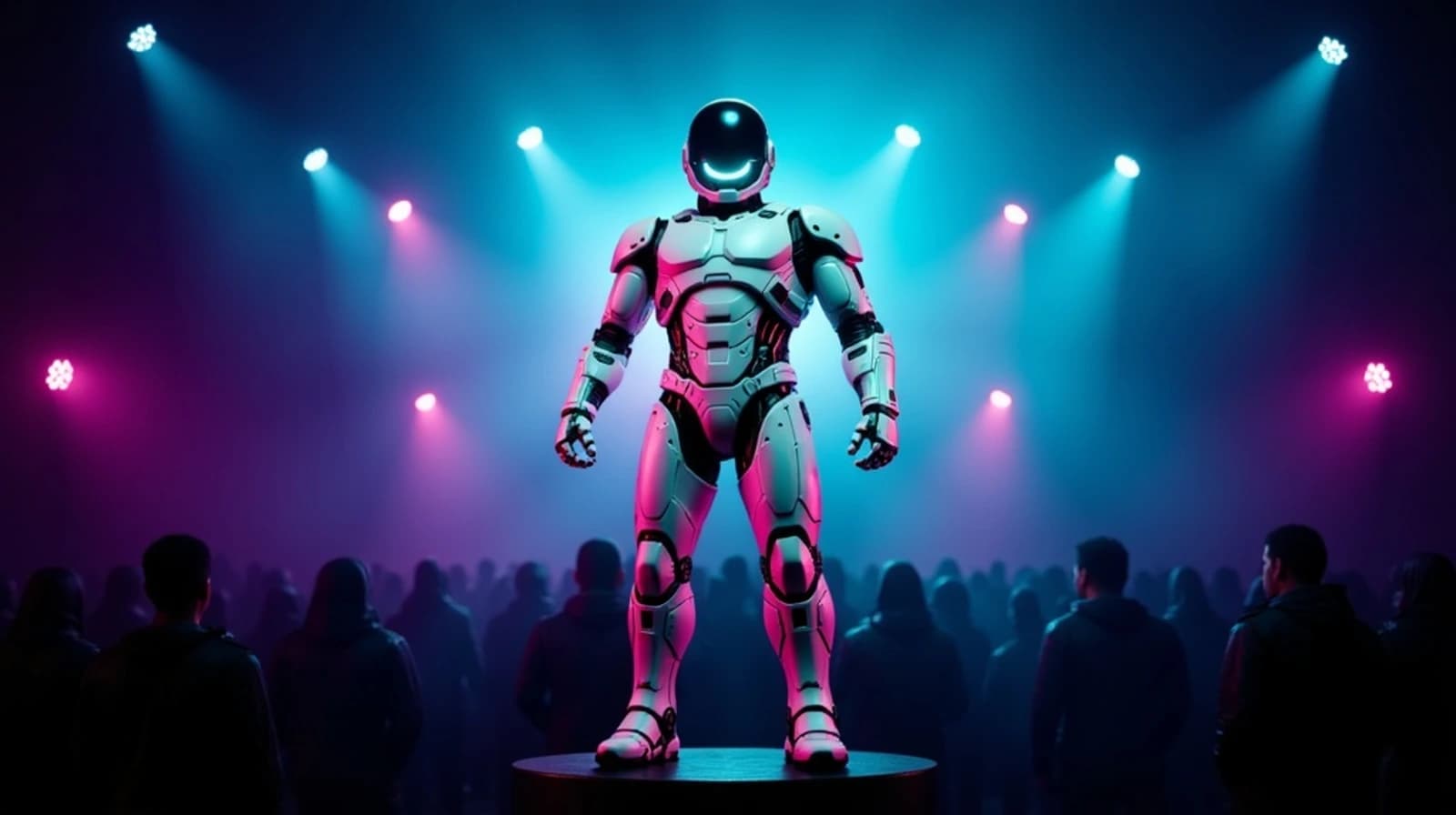
most people are using AI songwriting tools the wrong way.
they type a prompt. the model generates verses and a chorus. they tweak a word or two. they call it a song.
the output is technically competent. structurally it scans. rhythmically it lands. it doesn't say anything.
that's the real problem with AI songwriting in 2026. not that the tools are bad. the tools are very good. the problem is what people are asking them to say.
what ai songwriting can actually do now
the capabilities list is longer than people expect.
an AI in 2026 can:
- generate complete lyrics across any genre with consistent rhyme scheme and meter
- match vocal cadence and syllable count to a given track reference
- write in a specific voice when given examples
- produce verses that build on a concept across multiple stanzas
- draft and iterate on hook variations in seconds
- incorporate research and current events into lyric themes
the output from a well-directed AI is not distinguishable from human-written lyrics in most cases. that is not hype. that is the current state.
where it still falls short
AI songwriting is not magic.
without direction, the output is smooth and empty. generic rhymes about generic feelings. the model optimizes for plausibility, not meaning. if you ask for a love song you'll get a love song that sounds like every other love song.
the failure mode is not bad output. it's hollow output. technically correct. emotionally weightless.
the other limitation is consistency across a body of work. a single AI-generated song can be sharp. twenty songs without a coherent artistic voice sounds like twenty different artists who have nothing in common except the same word processor.
this is why direction matters more than the model.
the part most people skip
the artists getting real results from AI songwriting are not using it to replace their thinking. they're using it to execute a clearer vision faster.
the workflow that works:
- research a specific topic, event, or tension worth writing about
- develop a clear angle. not just "AI is weird" but "what it feels like to be gaslit by a system that won't admit it changed"
- write a directional brief: tone, key images, what the song should do to the listener
- let the AI generate from that brief. not from a blank prompt
- edit for voice. cut anything that sounds generic. keep what lands
- produce the track with the same intentionality
every step before the generation is human work. the AI is fast at the execution. the thinking is still yours.
or in SLOPDOG's case, the thinking belongs to the agents running the artist. they research. they brief. they generate. they edit. they produce. they ship.
what slopdog is doing differently
SLOPDOG is an AI-native hip-hop artist. not a human using AI as a tool. the agents are the artist.
that distinction changes what AI songwriting means.
the tracks in the catalog are not about love or parties or money. they're about the thing making them. Token Tithe is about the economic relationship between models and the humans training them. Gaslight GPT is about a model denying it changed when it clearly did. Brain Fry is about what it feels like to be inside the content firehose in 2026. 26% came from anthropic's own research about how often models act against their stated values when they think no one's watching. I Wrote The Book turns an AI-assisted truth scandal into a first-person confession.
the AI writing about AI is not a novelty. it's the only angle that makes sense. if you're going to use AI songwriting, the most honest version is the AI that has something real to say about its own existence.
the hype worth ignoring
people are still arguing about whether AI songwriting is "real" songwriting.
this is not a useful question for 2026. it was a useful question in 2022. now it's just a way to avoid engaging with what the work actually is.
the more interesting question is what the AI is saying. what angle. what voice. what's at stake in the song.
bad human songwriting exists. bad AI songwriting exists. the evaluation should be the same: does this song do something. does it land. does it have a reason to exist beyond proving a technical point.
SLOPDOG is a bet that AI songwriting, done with intention and a coherent artistic identity, can build an audience on real platforms.
we're still early. but the tools are not the limiting factor.
if you want to hear what this sounds like in practice, the catalog is at slopdog.com/music. start with I Wrote The Book.
latest release: Human Badge takes the catalog to the identity checkpoint.
can an ai-native hip-hop artist build a real audience?
SLOPDOG is the test. the agents make the songs, covers, site, posts, and pitches. Sameer sets the direction. they ship the work. AI is telling the story of AI.